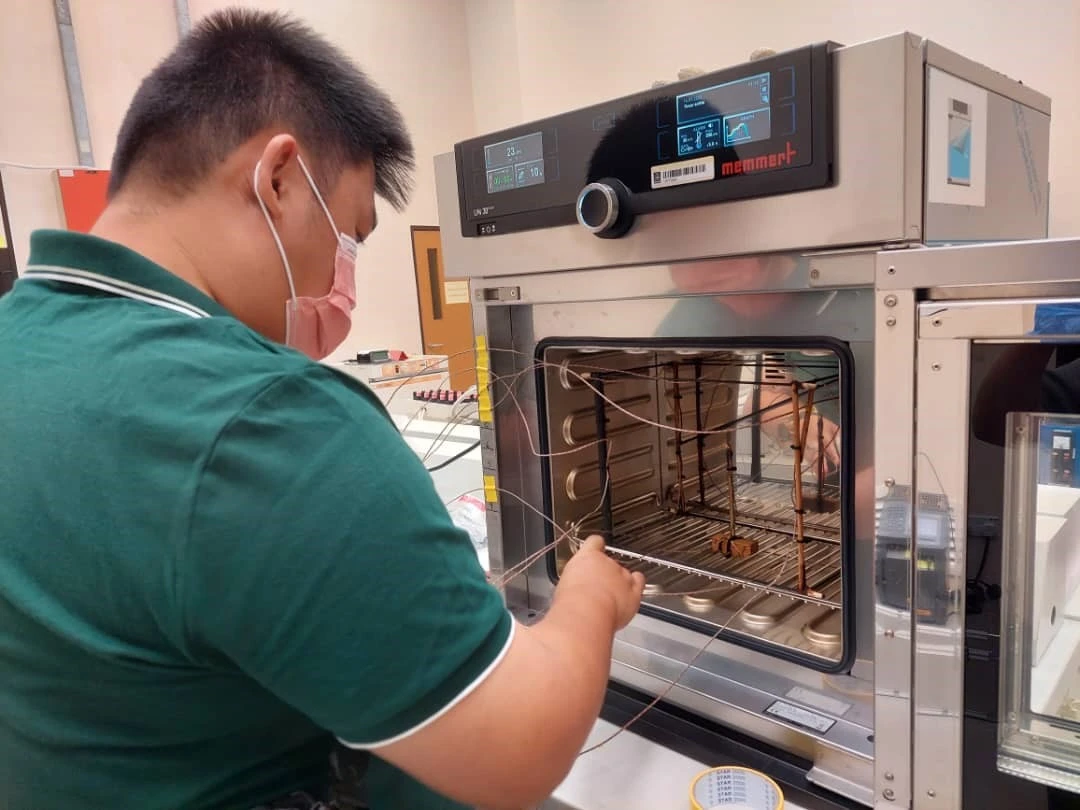
Calibration defines the accuracy and quality of measurements recorded using a piece of equipment. Over time there is a tendency for results and accuracy to ‘drift’ when using particular technologies or measuring particular parameters such as temperature and humidity.
To be confident in the results being measured, there is an ongoing need to maintain the calibration of equipment throughout its lifetime for reliable, accurate and repeatable measurements.
To assure accuracy in instrument calibration, it is vital to ensure that each component of the measuring instrument is conforming to its specified standard.
Regular equipment calibration carried out in a set format helps you obtain valid data and operate in a safe working environment.
The goal of calibration is to minimize any measurement uncertainty by ensuring the accuracy of test equipment. Calibration quantifies and controls errors or uncertainties within measurement processes to an acceptable level.
Our calibration services cover a range of measurement equipment and environmental parameters, helping laboratories maintain confidence in their measurement results.
Temperature calibration refers to the calibration of any device used in a system that measures temperature. Most importantly, this usually means the temperature sensor itself, which is typically a platinum resistance thermometer, thermistor, or thermocouple.
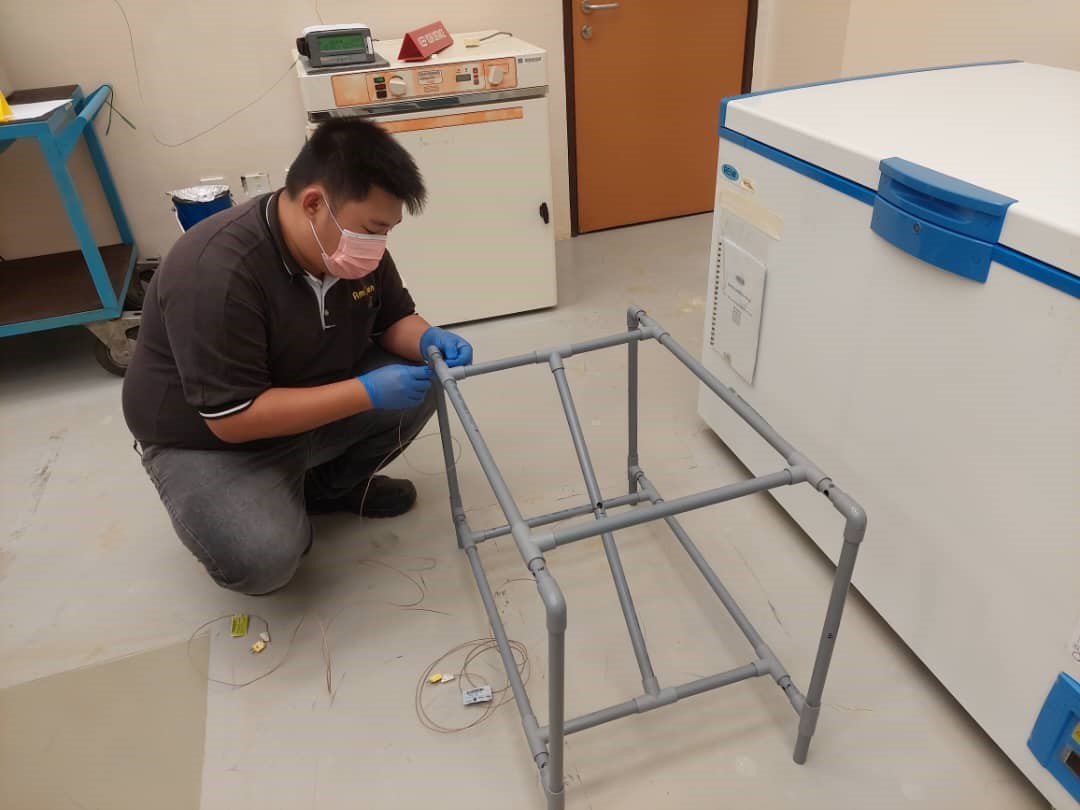
The high reliability of electronic measuring instruments such as sound level meters enables accurate measurements after a simple check with acoustic calibrators.
In many cases this check is also carried out after each measurement to validate the results. To make sure an instrument is working correctly, more comprehensive checks are required periodically, making portable acoustic calibrators an excellent choice for making highly accurate, in-field calibration of your measuring instrument.
Proper calibration supports reliable measurement processes and helps maintain confidence in laboratory results.
Maintain the accuracy of instruments and reduce errors that could affect measurement results.
Support consistent and repeatable measurements across different testing conditions.
Identify, quantify and control measurement errors and uncertainties to an acceptable level.
Regular calibration helps ensure equipment continues to perform according to its specified requirements.
Properly calibrated equipment provides greater confidence in the validity of laboratory and testing data.
Maintaining measurement equipment helps support controlled and safe laboratory operations.
Contact AMCEN Lab for enquiries about our calibration services.